Keeping Shrubs in Shape
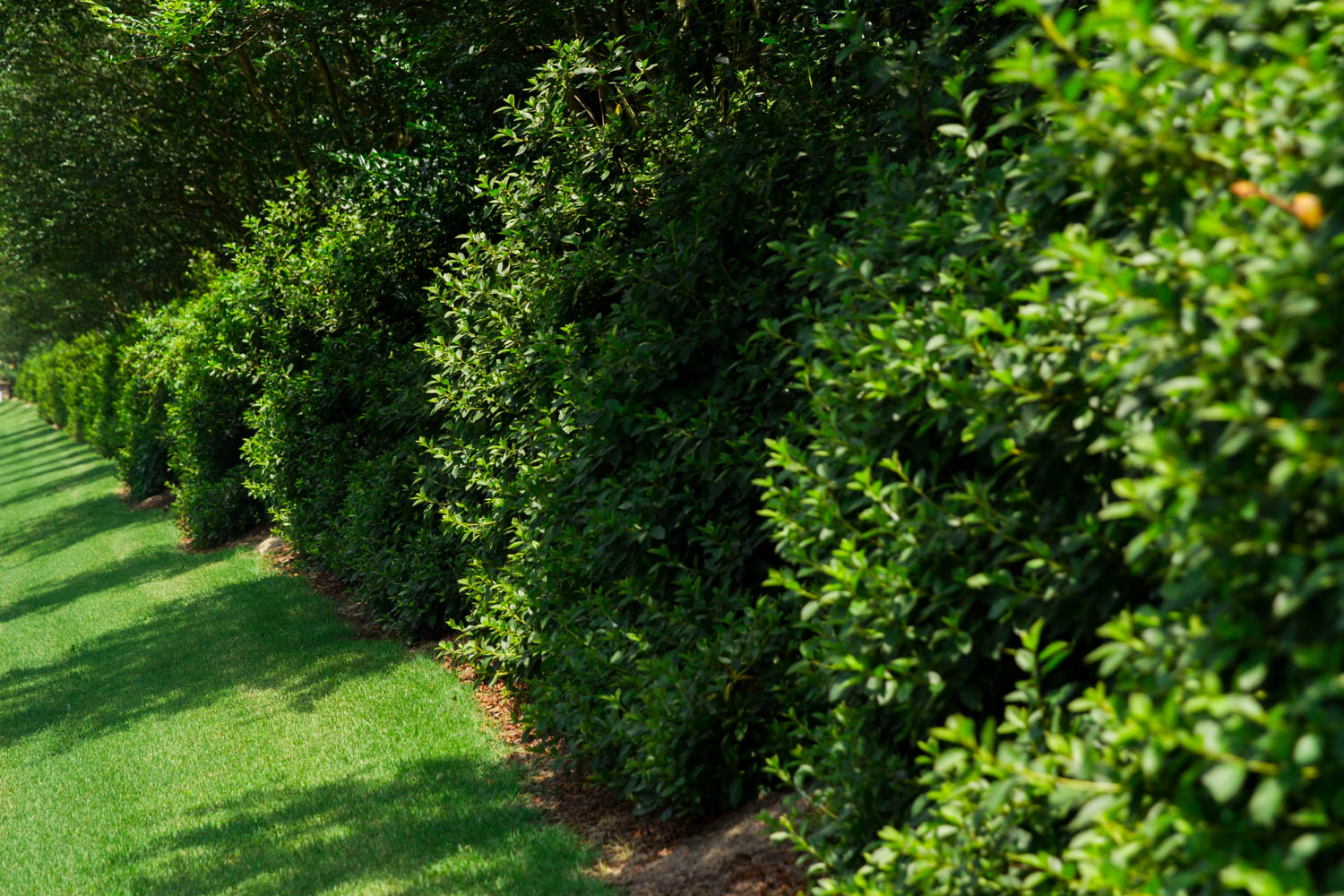
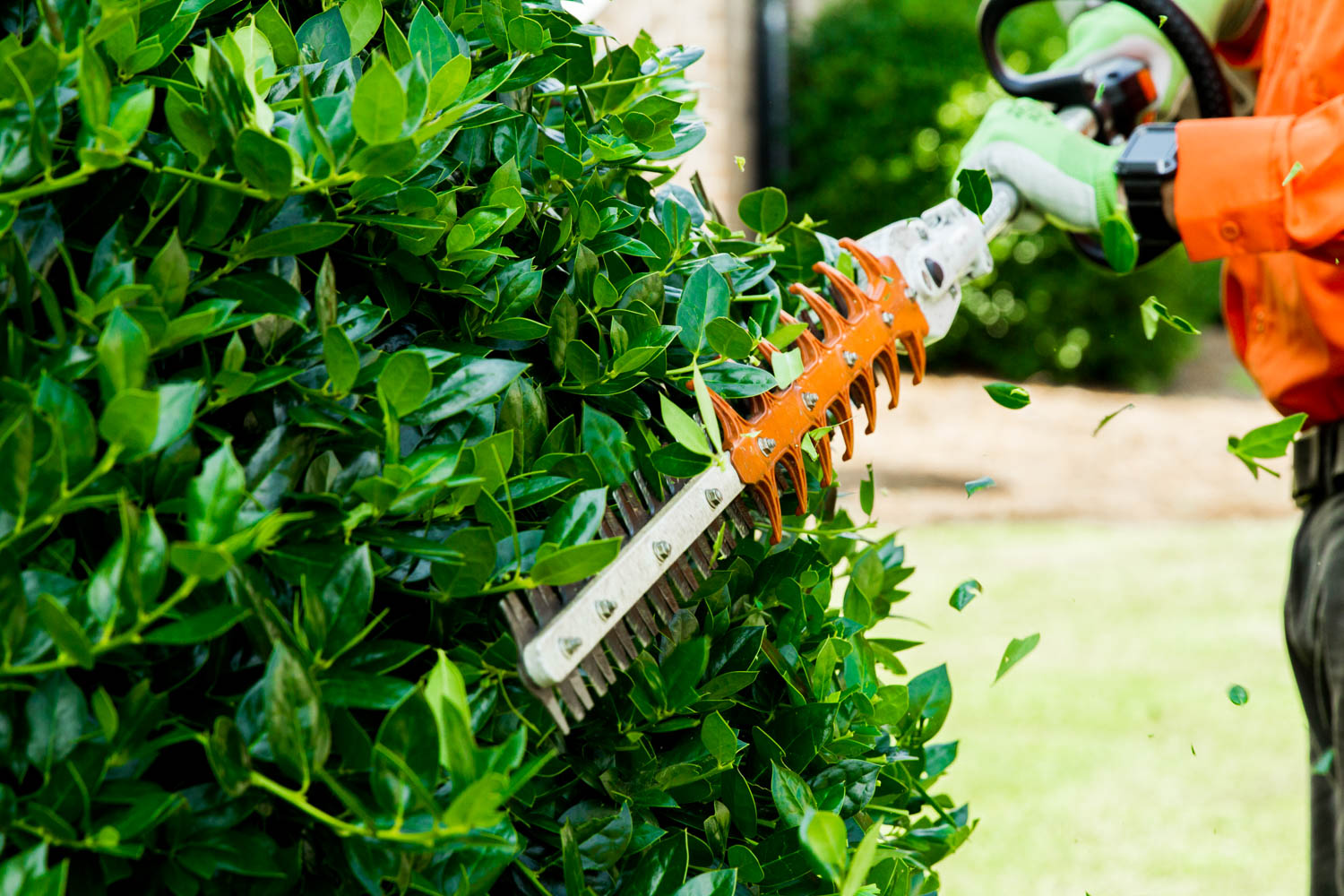
Well-kept shrubs help define planting beds, frame entrances and keep growth from crowding the spaces people use.
Read article
Care guides, landscape advice and a closer look at our work.
Request Service
Well-kept shrubs help define planting beds, frame entrances and keep growth from crowding the spaces people use.
Read articleA closer look at the properties we care for and the improvements we make.
Begin caring for each planted area the day it is installed. Watering needs vary with soil, drainage, plant size, grass type and season. Check actual moisture rather than relying on an unchanged irrigation timer.
Watering, rooting & first mow
Water as soon as sod is installed.
Water as soon as sod is installed. Gently lift a loose corner to confirm water has passed through the sod and moistened the soil underneath.
Check daily, especially along edges and sunny areas. Water before the sod or soil beneath it dries out. Hot, dry or windy weather may require several checks a day. Reduce watering after rain. Avoid puddles, runoff and muddy ground.
Make sure sprinklers reach the entire area. Corners, edges and areas near buildings may receive less water or dry faster.
As roots grow into the soil, gradually water less often and more deeply. Check soil moisture rather than relying only on grass color. Cold weather can slow rooting, especially with warm-season grasses.
Gently tug a corner in several places without pulling rooted sod free. Sod that lifts easily needs more time. Begin mowing when it resists lifting, is actively growing and the ground can support the mower without rutting.
Use a sharp blade and the correct height for your grass type. Remove no more than one-third of the grass height at a time.
Keep unnecessary traffic, pets and equipment off until firmly rooted. Do not add extra starter fertilizer during initial rooting. Follow the installation fertilization plan, then soil-test and grass-specific recommendations. Apply weed-control products only when their labels permit use on newly installed turf of that grass type.
Root-ball moisture & mulch
Water as the root ball begins to dry; wait if it remains moist.
Check daily for the first two weeks, then regularly during establishment. Move mulch aside and feel the soil about 1–2 inches into the original root ball. Surrounding soil may be damp while the root ball is dry.
Water as the root ball begins to dry; wait if it remains moist. Daily checking does not mean automatic daily watering.
Apply water over the root ball and nearby soil, allowing it to soak in. If water runs off, pause before continuing. Keep roots moist without leaving them saturated.
Check more often in hot, dry or windy conditions. Reduce watering in cool or rainy weather. A brief shower may not thoroughly wet the root ball.
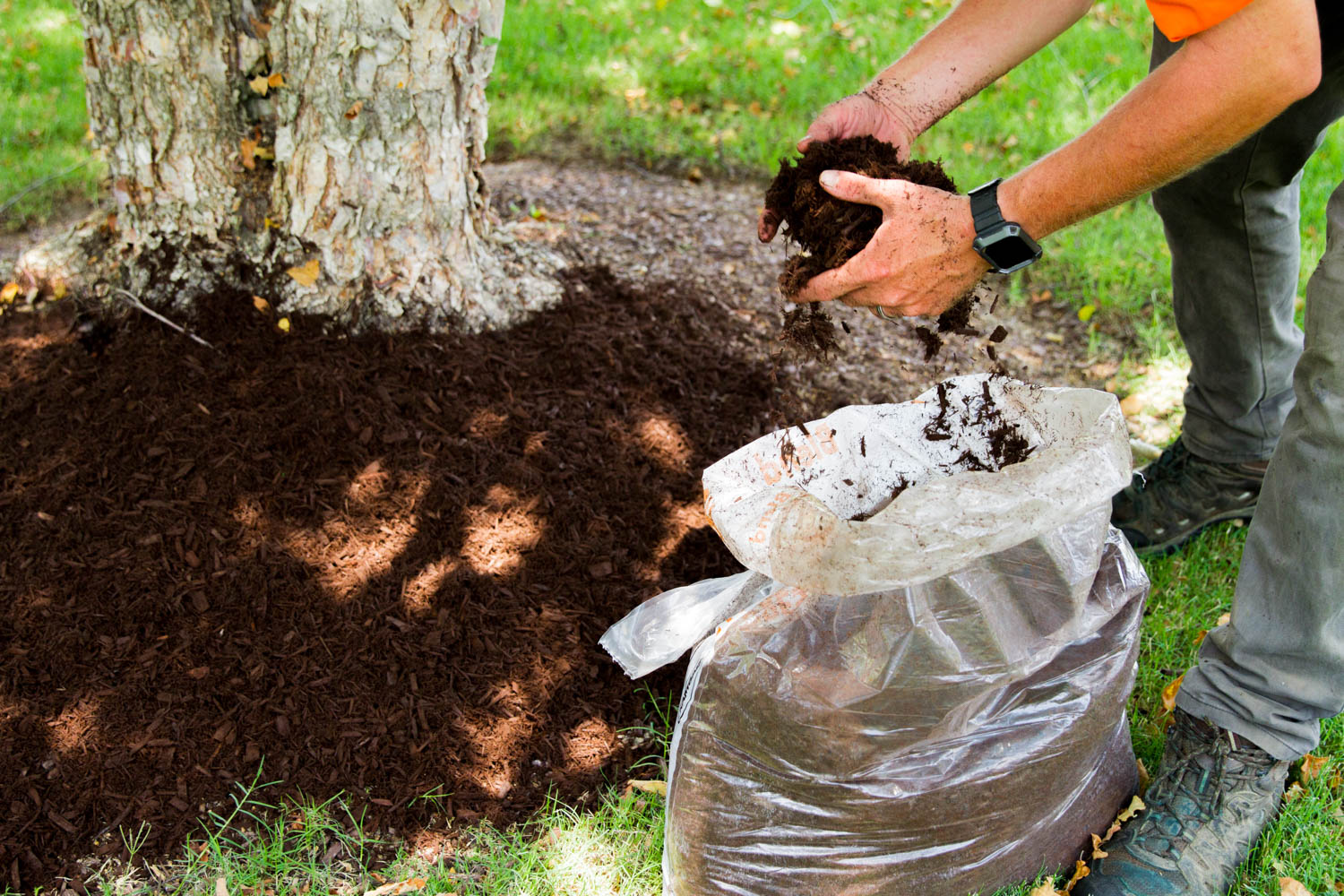
Keep mulch about 2–3 inches deep, leaving a clear space around stems. Do not pile mulch against plants or add soil over the original root ball.
Remove broken or dead branches, but avoid heavy shaping during establishment. Do not add fertilizer to treat unexplained wilting or yellowing. Base fertilizer and lime applications on soil-test results and the shrub’s needs.
Watering, roots & supports
Water as the root ball begins to dry; wait if it remains moist.
Check daily for the first two weeks, then regularly during establishment. Move mulch aside and feel the soil about 1–2 inches into the original root ball. Check nearby soil too. Water as the root ball begins to dry; wait if it remains moist.
Apply water slowly over the root ball and nearby soil. Extend watering outward as roots develop. A brief lawn-sprinkler cycle may not thoroughly water a newly planted tree. Avoid standing water and continuously saturated soil.
Keep checking during the first two growing seasons, especially in summer heat and drought. Larger trees may need attention longer. Cool weather reduces water needs but does not eliminate them.
Maintain a 2–3-inch mulch layer over the root zone, several inches away from the trunk. Keep the root flare visible. Keep mowers and string trimmers away from bark.
If staked, check straps regularly for rubbing or tightening. Supports should hold the root ball steady while allowing slight trunk movement. Loosen constricting straps and remove stakes and straps within one year.
Remove broken or dead branches. Avoid heavy pruning during establishment. Base fertilizer applications on soil-test results and the tree’s needs.
Care references:
NC State
Clemson
Iowa State
Tell us about your site and the services you need.
Request Service